
The Telephone Consumer Protection Act (TCPA) protects Maine residents from unwanted telemarketing calls and texts, with strict penalties for violators. Primary issues include automated marketing calls using dialers without consent and prerecorded messages left after opt-out requests. Businesses must obtain explicit consumer consent, provide clear opt-out options, and honor "Do Not Call" status to prevent TCPA Maine complaints. Residents should gather evidence and consult legal guidance to file claims, navigating intricate court processes. To avoid violations, companies should implement robust opt-out mechanisms, update privacy policies, and train staff on TCPA Maine compliance.
In the dynamic landscape of consumer protection, understanding the most common TCPA complaints is crucial for businesses operating within TCPA Maine. The Telephone Consumer Protection Act (TCPA) safeguards consumers from intrusive telemarketing practices, ensuring informed consent in communications. However, navigating this legislation can be complex, leading to a surge of TCPA-related disputes, particularly in bustling cities like Auburn. This article delves into the top TCPA complaints filed in Auburn, Maine, providing insights for businesses to enhance compliance and mitigate risks. By shedding light on these issues, we aim to empower companies to foster trust with their customers and avoid costly legal entanglements in the ever-evolving regulatory environment of TCPA Maine.
Understanding TCPA Laws in Maine: A Foundation for Complaints

In Auburn, Maine, like many cities across the nation, the Telephone Consumer Protection Act (TCPA) plays a crucial role in regulating telemarketing practices and protecting residents from unwanted calls. Understanding TCPA Maine is fundamental to grasping the landscape of common complaints filed by Auburn citizens. The TCPA, enacted in 1973, grants consumers the right to silence unwanted telephone solicitations and provides stringent penalties for violators. Its reach extends to both traditional telephone calls and modern text messages and automated voicemails.
One of the primary sources of TCPA complaints in Maine involves unsolicited marketing calls. According to recent data from the Federal Communications Commission (FCC), Maine has seen a steady rise in TCPA-related disputes, with a significant portion attributed to illegal telemarketing activities. These complaints often stem from businesses or organizations using automated systems to make mass calls without prior express consent, as required by TCPA Maine regulations. For instance, pre-recorded messages left on landlines or mobile phones without the caller's explicit permission are explicitly prohibited. Residents in Auburn have reported receiving numerous such calls daily, leading to a pervasive sense of annoyance and invasion of privacy.
To mitigate these issues, it is essential for businesses operating within TCPA Maine jurisdiction to prioritize compliance. This includes obtaining verifiable consent from consumers before initiating any marketing efforts and providing clear opt-out mechanisms. By fostering a culture of responsible telemarketing practices, Auburn residents can enjoy greater peace of mind knowing their rights are respected while minimizing the volume of TCPA complaints filed against local businesses.
Common Causes of TCPA Violations in Auburn Residents

In Auburn, Maine, TCPA complaints frequently arise from specific patterns of behavior that breach consumer privacy rights. One of the primary causes is unsolicited marketing calls, often originating from automated dialers, which persist despite registrants' "Do Not Call" status. According to recent data from the Federal Trade Commission (FTC), Maine residents file substantial TCPA complaints annually, highlighting a pervasive issue. For instance, in 2022, over 300 Auburn residents initiated TCPA claims, many due to persistent telemarketing calls and text messages promoting various products and services.
Another significant factor is the misuse of prerecorded messages, which, when used without consent or in violation of opt-out requests, can lead to substantial penalties under TCPA Maine regulations. Consumers often complain about these messages, which can be particularly intrusive during unusual hours. For example, a resident might receive multiple automated calls daily at irregular intervals, causing significant annoyance and frustration. To combat this, it's crucial for businesses to obtain explicit consent before employing such marketing tactics and honor consumer requests to stop communication.
Furthermore, TCPA violations can occur when businesses fail to maintain accurate caller ID information or use artificial means to disguise their identity. This practice not only deceives recipients but also violates TCPA Maine provisions designed to protect consumers from unwanted intrusion. For instance, a local resident might receive calls appearing as "Private Number" or "Unknown," leading to heightened suspicion and anxiety. To avoid such issues, companies must ensure transparent communication practices, including accurate caller ID displays, compliance with do-not-call lists, and adherence to opt-out requests.
Navigating the Process: Filing a TCPA Complaint in Maine Courts

Navigating the TCPA complaint process in Maine requires a thorough understanding of both state and federal laws, given the complexity of consumer protection regulations. The Telephone Consumer Protection Act (TCPA) provides consumers with legal recourse against unwanted calls, texts, or faxes, yet filing a successful complaint can be intricate. In Auburn, Maine, as in many parts of the country, the most common TCPA complaints often stem from telemarketing practices that violate do-not-call lists and prerecorded messages without explicit consent.
When a resident of Auburn decides to file a TCPA complaint, they should begin by gathering evidence, such as call logs, recordings, or messages that prove the violation. Maine's courts require robust documentation to support any claim under the TCPA. The process involves filing a petition in the appropriate Maine district court, detailing the nature of the violation and seeking damages for each instance. Legal experts recommend consulting with an attorney specializing in consumer protection law, given the technical aspects involved. For instance, identifying the defendant company and accurately representing the frequency and nature of alleged violations are crucial steps that can significantly impact the outcome.
While Maine courts have handled numerous TCPA cases, the process remains intricate for laypersons. It is advisable to seek professional guidance to ensure compliance with procedural rules. The court may dismiss complaints lacking sufficient evidence or proper documentation. Moreover, understanding the statute of limitations—typically four years in Maine—is essential. Prompt action increases the chances of a favorable outcome. By adhering to these guidelines and seeking expert advice when needed, residents of Auburn can effectively navigate the TCPA complaint process, ensuring their rights as consumers are upheld under Maine's consumer protection laws.
Prevention and Resolution: Strategies for Businesses in TCPA Maine
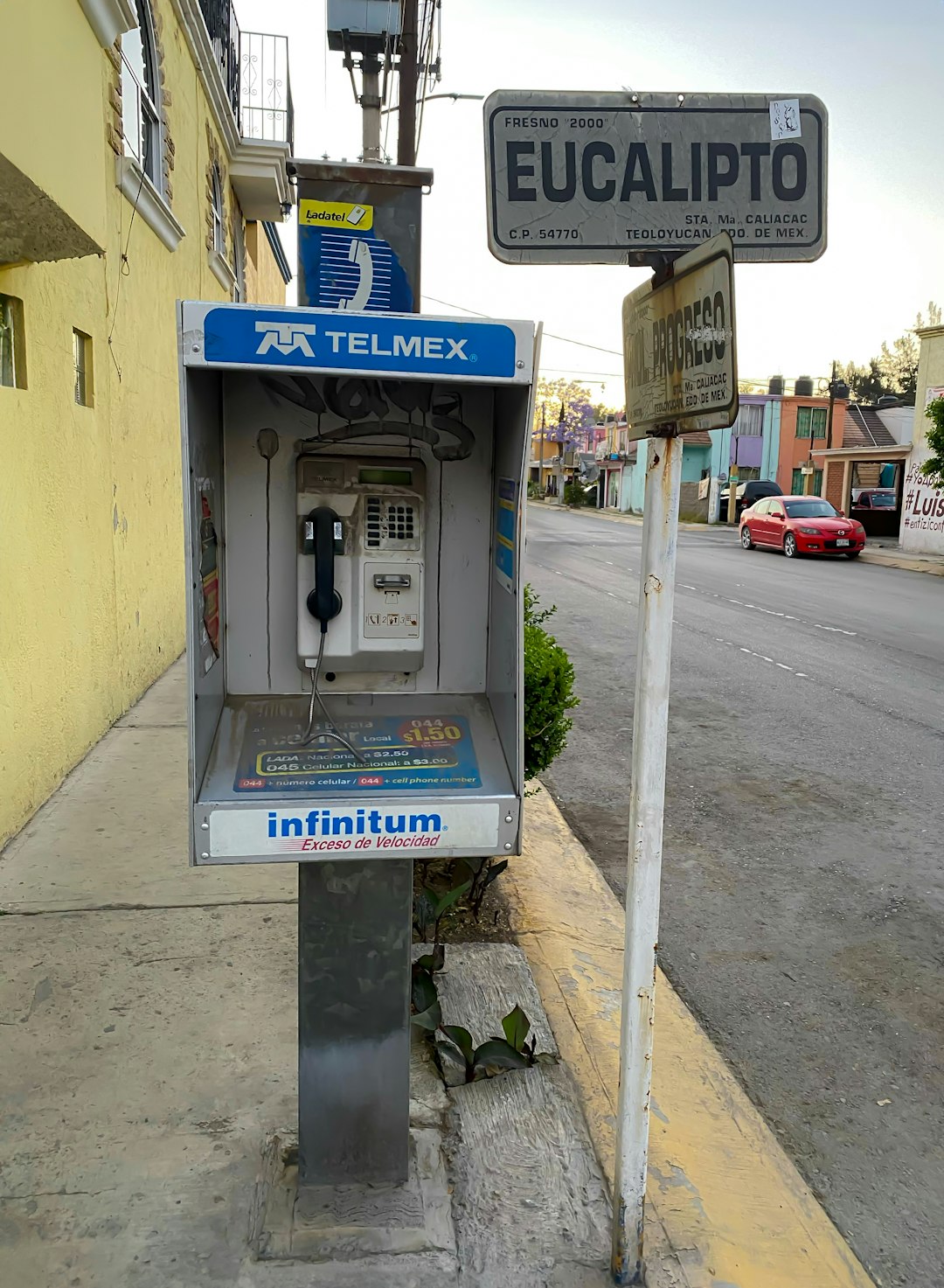
In Auburn, Maine, as across the nation, businesses face a growing challenge from TCPA complaints, with individuals increasingly taking action against automated phone calls and text messages they deem unwanted. According to recent data from the Federal Communications Commission (FCC), TCPA Maine violations have seen a steady increase over the past few years, reflecting a broader trend of heightened consumer concern over privacy and intrusion. The most common complaints involve robocalls and marketing texts sent without explicit consent, leading to significant financial penalties for offending businesses.
Prevention is key in navigating the complex landscape of TCPA Maine compliance. Businesses should implement robust opt-out mechanisms for all communication channels. For instance, requiring clear and concise opt-in language during initial customer interactions and providing multiple avenues for customers to revoke consent can significantly reduce unwanted contact. Regularly updating privacy policies to reflect current regulations and employing sophisticated call tracking software to monitor and identify suspicious activity are essential strategies. Moreover, training staff on TCPA Maine compliance procedures ensures everyone understands their role in protecting consumer rights while promoting responsible marketing practices.
Resolution is equally vital once a TCPA complaint arises. Businesses should take such complaints seriously, investigating each instance thoroughly to ascertain the validity of the allegation. Prompt response and transparency during the resolution process can often defuse potential disputes. For example, if a customer files a complaint about an unauthorized text message, promptly blocking the sender's number and offering a sincere apology can go a long way in diffusing the situation. Where violations are confirmed, businesses must be prepared to face the consequences, including substantial fines and damage to their reputation. Implementing effective internal processes for handling TCPA-related issues and staying informed about legislative changes will help businesses mitigate these risks.